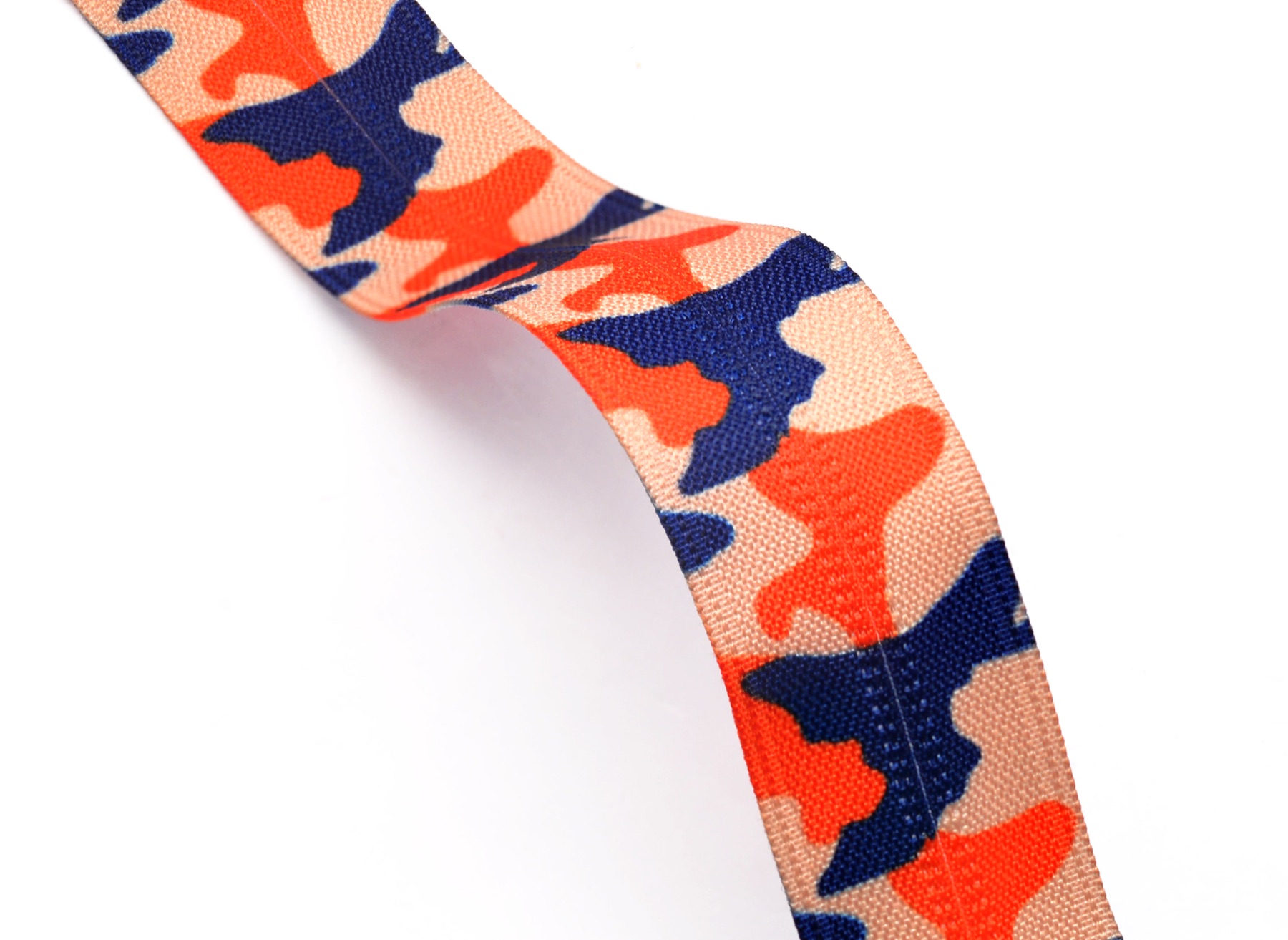
A size 7 camouflage-printed nylon zipper uses multicolor artwork across the tape, turning a primarily functional closure into part of the visual design. It can be used on casual garments, outdoor-inspired apparel, and bags. However, camouflage describes appearance only. It does not establish concealment in a particular environment, nor does it automatically imply water resistance, abrasion resistance, or colorfastness. Designers and buyers should specify the artwork, basic construction, and use performance separately, with physical samples forming a practical acceptance standard.
Printed Tape and Construction
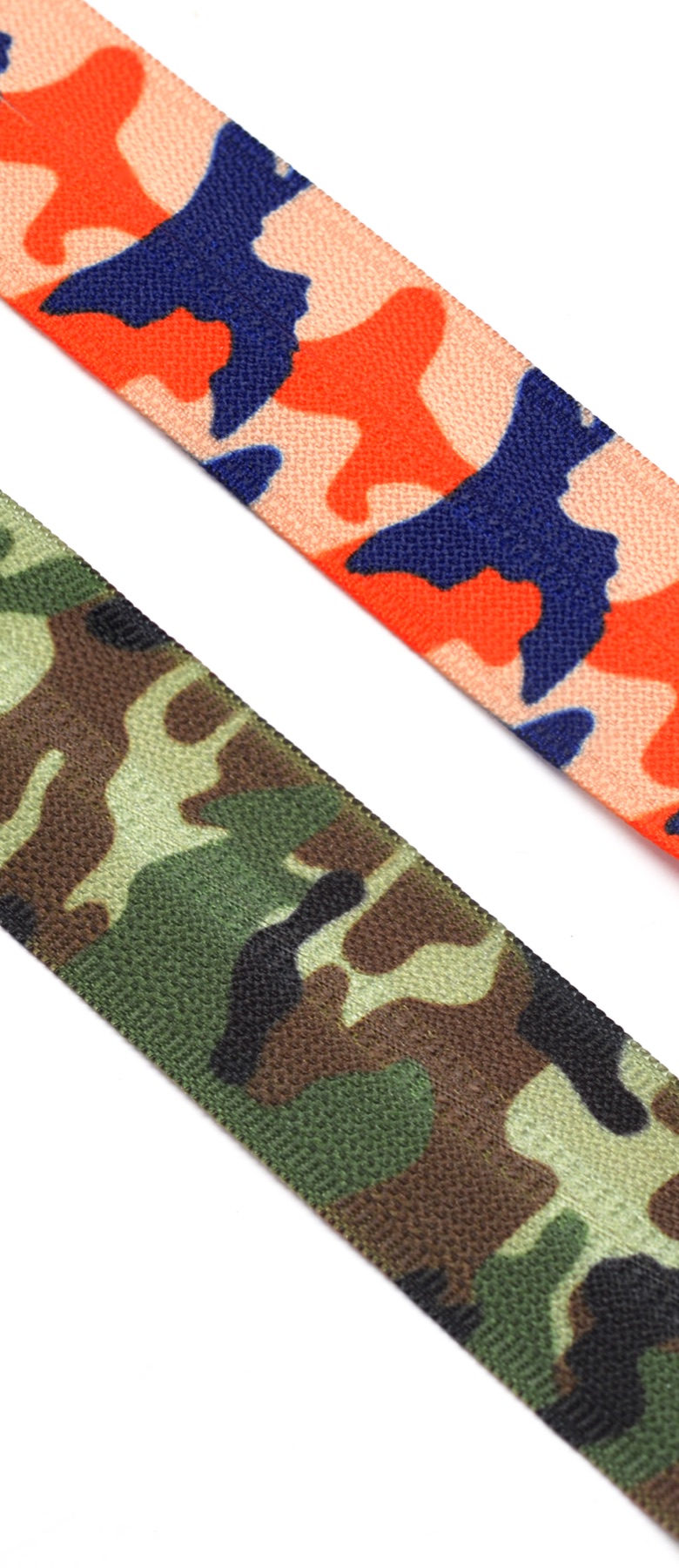
Camouflage patterns generally combine irregular color areas. Different palettes can create bright contrast or a restrained tonal effect. The printed tape must still work with the nylon chain, slider, and end components, so the front colors are not the only inspection point. Examine the tape reverse, chain edges, and slider channel, and make sure the artwork does not hide misalignment, yarn irregularities, or localized wear.
Color areas may fall at different positions on the two tapes as length and trimming change. If the closed zipper must show a continuous pattern, confirm left-to-right correspondence, artwork direction, and the trimming reference. If a natural transition is intended, define acceptable variation instead. Printed edges, small shapes, and tape weave all influence the distant impression, so approval should include both normal viewing distance and close inspection.
Size 7 and Suitable Applications
Size 7 can suit exposed fronts, pockets, and bag openings where a visible tape and chain proportion is desired, but the size designation is not a complete dimension set. Measure chain width, tape width, slider, and end fittings before checking seam allowance, lining clearance, and bending radius. On lightweight or highly stretchable fabrics, a visually prominent trim may also add local weight or stiffness; assess drape and puckering on a garment sample.
A fully separating front, a pocket fixed at one end, and a two-way opening require different constructions and should not be treated as interchangeable on the basis of one image. Sliders, insertion components, and stops also interrupt the camouflage artwork. If important color areas must avoid these positions, mark that requirement when confirming length.
Selection and Acceptance Checklist
- Define palette and direction: Record principal colors, scale of shapes, face and reverse appearance, and artwork direction on an approved physical sample rather than relying only on a screen image.
- Specify matching expectations: State whether the pattern must align closely, connect approximately, or vary naturally, and define the inspection distance.
- Confirm the basic construction: List nylon chain, size 7, length, open-end or closed-end format, slider, and end fittings separately.
- Inspect appearance after use: Following operation, gentle bending, abrasion, and the planned care procedure, look for color loss, scratches, and surface changes.
- Review the complete garment: Place the zipper with shell, lining, stabilizer, and neighboring trims to assess color coordination, snagging, and fabric-trapping risks.
Sewing and Use Precautions
Position left and right garment panels according to the artwork direction, but never stretch the tape to force a match. Use a presser foot suited to the nylon chain, keep stitches in the designated tape area, and feed both sides evenly. Test curved pocket mouths and narrow plackets first, since twisted tape can disrupt both the visual match and slider operation. Keep lining outside the slider path and remove loose threads.
Pressing tolerance and cleaning behavior of the printed surface cannot be inferred simply from the nylon material description. Test the intended temperature, pressure, cleaning agents, and rubbing method before settling the garment process. During use, check for trapped fabric or debris when resistance occurs instead of pulling forcefully. If marked color loss, surface damage, or chain irregularities appear, stop repeating the same process and review the sample.
Common Questions
Must the camouflage pattern align perfectly on both sides
That depends on the design. Close matching requires clear direction, length, and trimming references, together with more detailed inspection. Natural transitions also need an agreed range of variation so that maker and buyer share the same expectation.
Are dark camouflage colors always better at hiding dirt and retaining color
Color depth alone cannot establish either property. Dirt visibility and colorfastness are different issues. The latter depends on the materials, printing process, use, and care, and should be checked on samples.
Can printed tape be sewn exactly like standard nylon zipper tape
The basic sewing principles are similar, but surface friction, pressing tolerance, and artwork placement may differ. Make a new sample with the actual garment fabric and printed zipper rather than omitting process confirmation.