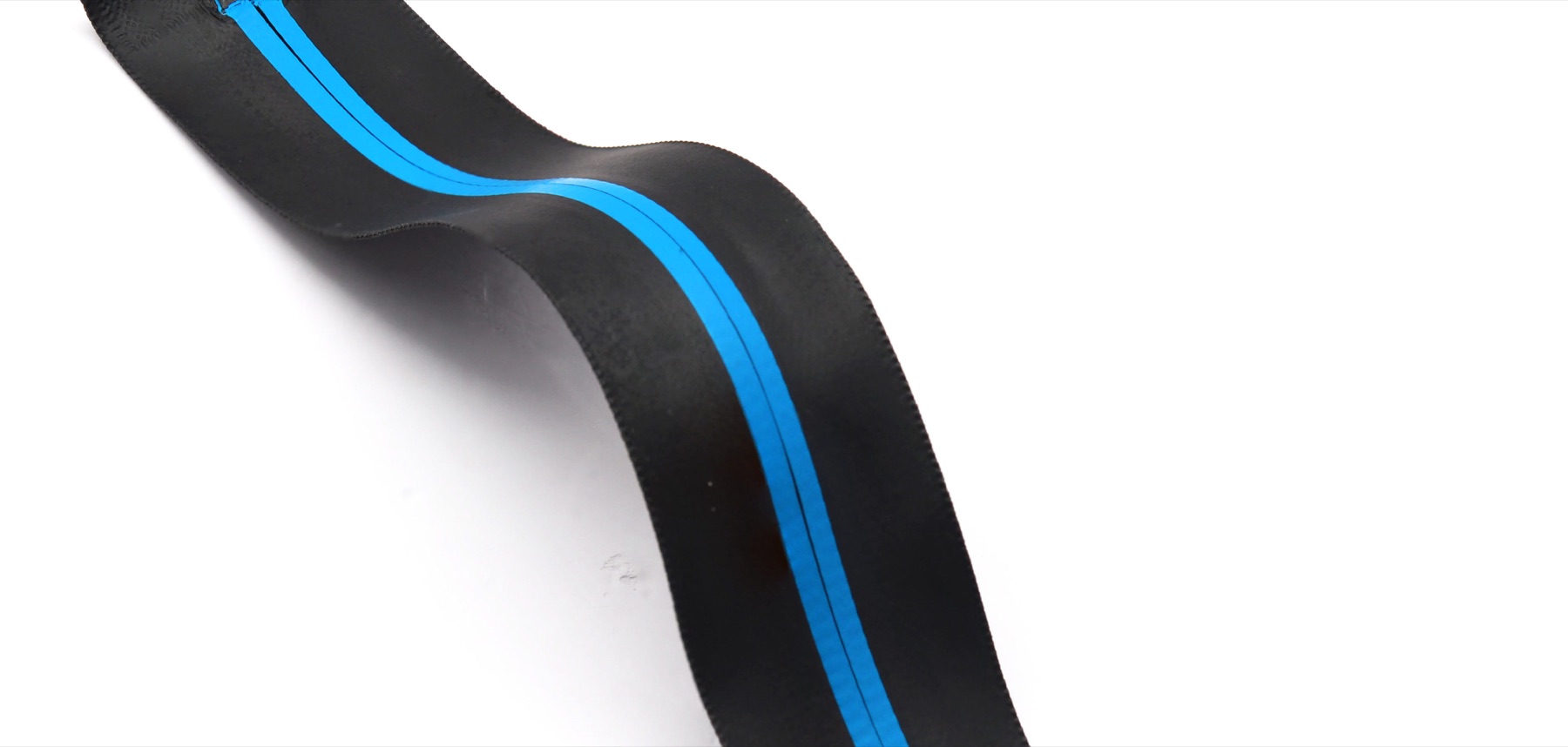
A water-resistant zipper commonly combines film-covered tape, a surface layer, and tooth-chain engagement to reduce direct water passage through the closed area. This differs from a treatment that merely helps the tape surface shed moisture, and the zipper alone cannot make an entire garment or bag waterproof. Fabric, needle holes, ends, the slider region, and cutting construction all influence the result. Selection should begin with the exposure and test objective, followed by comparison of film position, surface finish, tooth type, opening construction, and sewing requirements.
Define the Protection Objective
Everyday splash resistance, rain exposure, and protection under sustained water pressure are different targets. The word waterproof in a product name should not be interpreted as zero water entry under every condition. Development should state whether the zipper will encounter splashes, short rain exposure, or sustained exposure, whether an internal shield is present, and which finished-article test is required. An unstandardized cup of water or brief spray is only an informal observation, not a substitute for defined acceptance testing.
Distinguish the chain itself from the completed opening. Even if a closed chain performs suitably under one test condition, the ends may remain entry paths, and the slider-to-chain interface should not automatically be treated as a sealed joint. Higher protection targets require compatible overall construction and sample testing, not merely a zipper substitution.
Film Position and Surface Processes
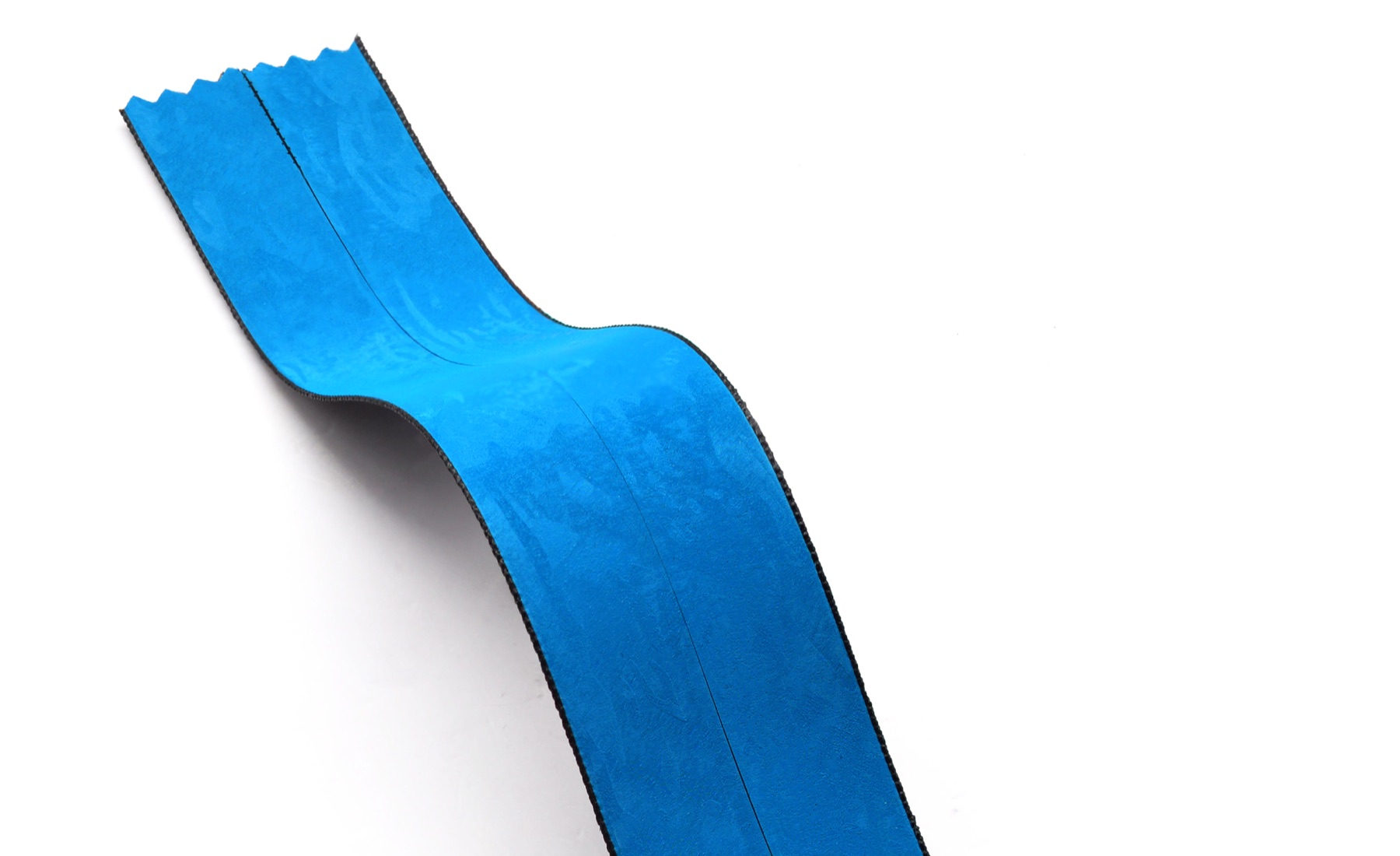
Center-film, film-style, textured-surface, printed, and heat-transfer descriptions refer to different appearance and coverage approaches. Center film commonly emphasizes a continuous surface around the tape center and closure line, textured versions add visual and tactile variation, and printed processes introduce graphics. Exact layers, materials, and coverage should be confirmed from the physical sample, cross-section where available, and technical information rather than inferred from names.
Close the zipper naturally and inspect film alignment, continuity of the closure line, and edge flatness. Operate it slowly and flex it gently, looking for puckering, bubbles, unusual glossy areas, or localized separation that could affect use. Decorative graphics and basic chain engagement require separate approval so that color and pattern do not distract from function.
Selection and Sampling Checklist
- Define exposure: State the protection target, exposure method, temperature range, cleaning process, and abrasion expectations.
- Measure the construction: Record chain, film width, tape, slider, and end dimensions, together with open-end or closed-end construction.
- Check operation: Test full travel in straight, curved, and sewn conditions and record localized resistance.
- Evaluate film durability: Apply relevant bending, rubbing, washing, and pressing tests to samples and inspect surfaces and edges.
- Test the complete assembly: Sew the zipper into the actual fabric and end construction before assessing entry paths and needle-hole effects.
For reflective details, lettering, or specific graphics, also evaluate how those additions respond to bending, cleaning, and viewing angle. Functional claims need test support; water beading on the surface alone does not establish long-term protection.
Sewing and Finished-Article Testing
Stitch density, needle, presser foot, and thread can affect both appearance and water-entry risk. Make a sample with the intended shell, lining, and interfacing. Keep the needle within the designed sewing zone and avoid unplanned additional punctures through the film. Feed both tapes evenly without stretching them. Plan end binding, bartacks, and lining placement during pattern development rather than concealing problems after stitching.
Test the finished opening and its ends, not only a cut section of chain. Select spray, wetting, or another method appropriate to the product objective, and record duration, water volume, pressure, direction, and the location used for judgment. If retesting after washing or bending is required, use the same conditions for comparison. When water enters, distinguish the closure line, slider region, needle holes, ends, and fabric as possible sources.
Common Questions
Does a film-covered zipper make the whole garment waterproof
No such guarantee follows from the zipper alone. The garment also contains fabric, needle holes, seams, ends, and other openings. Overall protection requires compatible construction and finished-article testing.
Does a glossier film indicate better protection
Gloss primarily describes appearance and does not prove coverage continuity, adhesion, or durability. Inspect the actual construction and test against the target conditions instead of treating shine as a performance grade.
Why can a zipper feel tighter after washing
Possible causes include film changes, tape shrinkage, sewing distortion, and changes in the chain or slider condition. Compare an unwashed control and inspect the stitching before applying force. Repeating the actual care exposure helps identify where the change occurred.