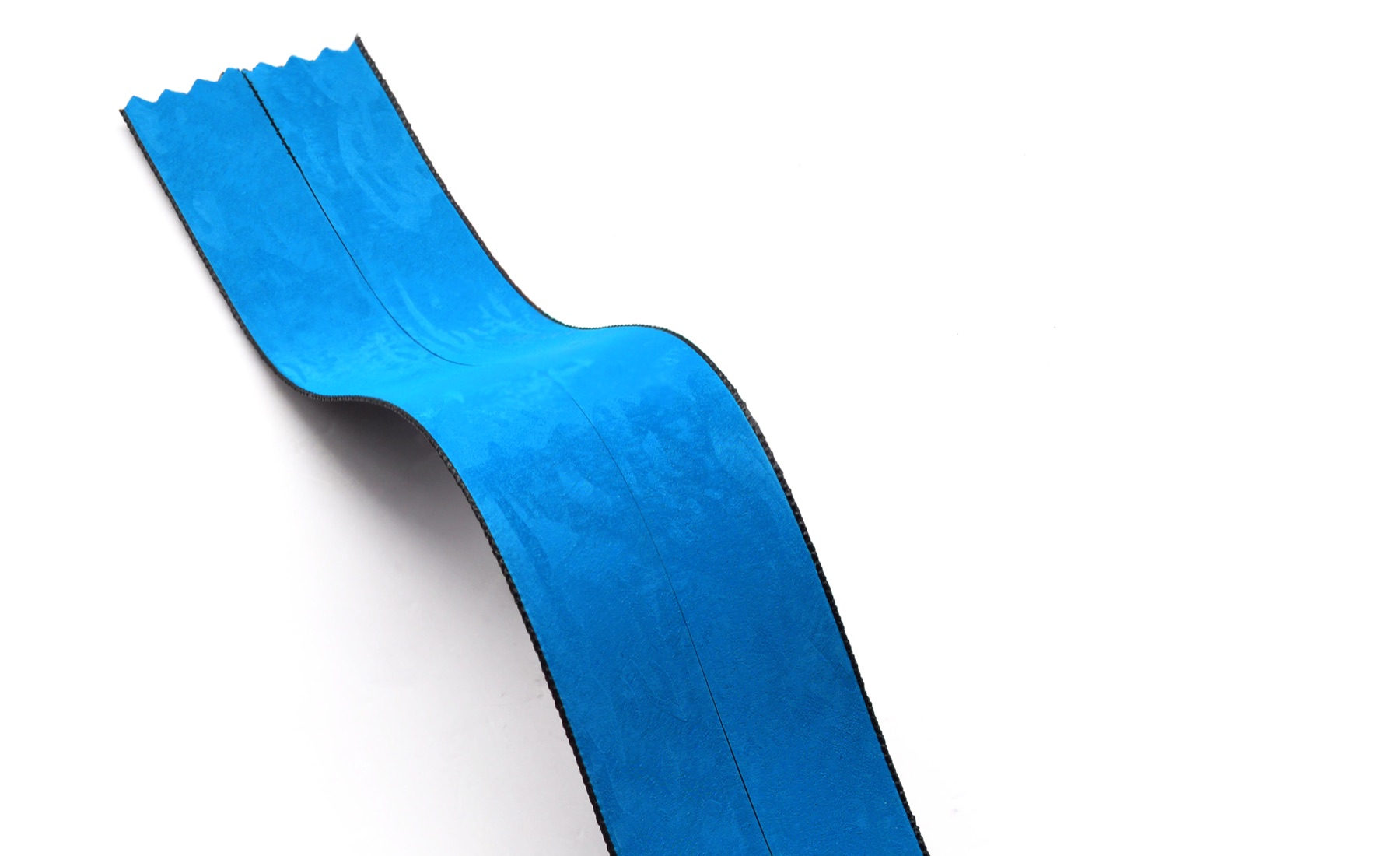
A size 7 textured water-resistant zipper combines a film-based closure surface with a patterned or tactile finish. Unlike a plain film, the surface can become a deliberate design feature on a visible placket or pocket. The description does not define a particular material, traction level, or absolute waterproof rating. Product selection should confirm how the texture is produced, whether it remains continuous in use, how the slider fits, and whether the intended garment processes are compatible.
Surface Texture and Basic Construction
Samples may show a fine grain, geometric pattern, or another repeated effect. Color and surface relief can substantially change the visual result. Inspect the zipper under angled light as well as from the front, and compare textured and smooth areas by touch. If the design requires a particular pattern direction, depth, or repeat, include those details in the approved-sample specification rather than using the general word textured.
Close the chain and check whether the two sides align without the finish interfering with engagement. Operate the slider while the zipper is straight and while it follows a gentle curve. After repeated cycles, inspect for cracking, localized abrasion, unusual gloss changes, or resistance at raised areas. Decorative texture should not compromise the basic requirements of secure engagement and consistent operation.
The central finish does not make every part of the zipper identical. Ends, stops, stitching zones, and the reverse side may have different surfaces and behavior. These areas should be included in the sample review, particularly when the garment will be exposed to rain or repeated flexing.
Size 7 and Design Coordination
A visible textured surface can be used on outerwear fronts, pockets, and bags. A tonal texture provides a restrained detail, while a brighter film can make the closure a stronger graphic element. Size 7 is only a starting point. Measure tape, chain, slider, and end fittings, then verify seam allowance, lining clearance, and garment curvature on the pattern.
An open front that must separate requires the appropriate open-end components. A pocket or another opening fixed at one end requires a compatible closed-end construction. Surface appearance cannot compensate for an incorrect termination or slider direction.
Color influences how strongly the texture is perceived. Bright finishes often reveal reflections and small shadows, while dark patterns may be subtle at a distance and clearer at close range. Place the zipper with the actual shell, lining, and neighboring trims. Review both normal viewing distance and close-up detail so that the approved photograph does not create unrealistic expectations.
Selection and Acceptance Checklist
- Define the texture: Record pattern, direction, color, hand feel, and acceptable production variation in the sample standard.
- Specify function separately: Confirm open-end or closed-end construction, slider style, length, and end fittings.
- Test bending and operation: Cycle the slider in straight and gently curved positions, then inspect resistance and surface integrity.
- Verify production compatibility: Sew with the intended stitch density, stabilizer, shell fabric, lining, and finishing conditions.
- Evaluate the complete article: Base splash protection on fabric, seams, needle holes, ends, and garment design together, using a defined test method where necessary.
Sewing and Routine Care
Identify the permitted stitching area before production. Additional seams should not be placed across a functional surface merely to control its appearance. Feed both sides evenly without stretching the tape. A textured finish may create different friction under the presser foot from a plain film, so test for smooth feeding and unwanted pressure marks. Remove loose threads and maintain lining clearance around the slider.
Test pressing and cleaning on a sewn sample. High temperature, solvents, and stiff brushes may alter the texture or gloss. For routine dirt, use a gentle method compatible with the garment materials and avoid picking at recesses with sharp tools. If the slider becomes difficult to move, check for trapped fabric or debris before assessing surface damage; excessive force can turn a small obstruction into a larger problem.
Common Questions
Does deeper texture provide better water resistance
There is no direct relationship. Texture primarily changes appearance and touch. Protection depends on the complete closure, tooth engagement, ends, seams, and garment construction, and must be evaluated by an appropriate test.
Does a textured surface necessarily collect more dirt
Recesses or pronounced grains may require more careful cleaning, but the result depends on pattern geometry and the use environment. A sample can be exposed to representative dirt, moisture, and cleaning procedures before the maintenance method is finalized.
Why can the same color look different between production batches
Lighting, gloss, pattern direction, and small process variations can change visual perception. Keep an approved reference sample, compare batches under consistent lighting and viewing distance, and define acceptable variation in the inspection standard.