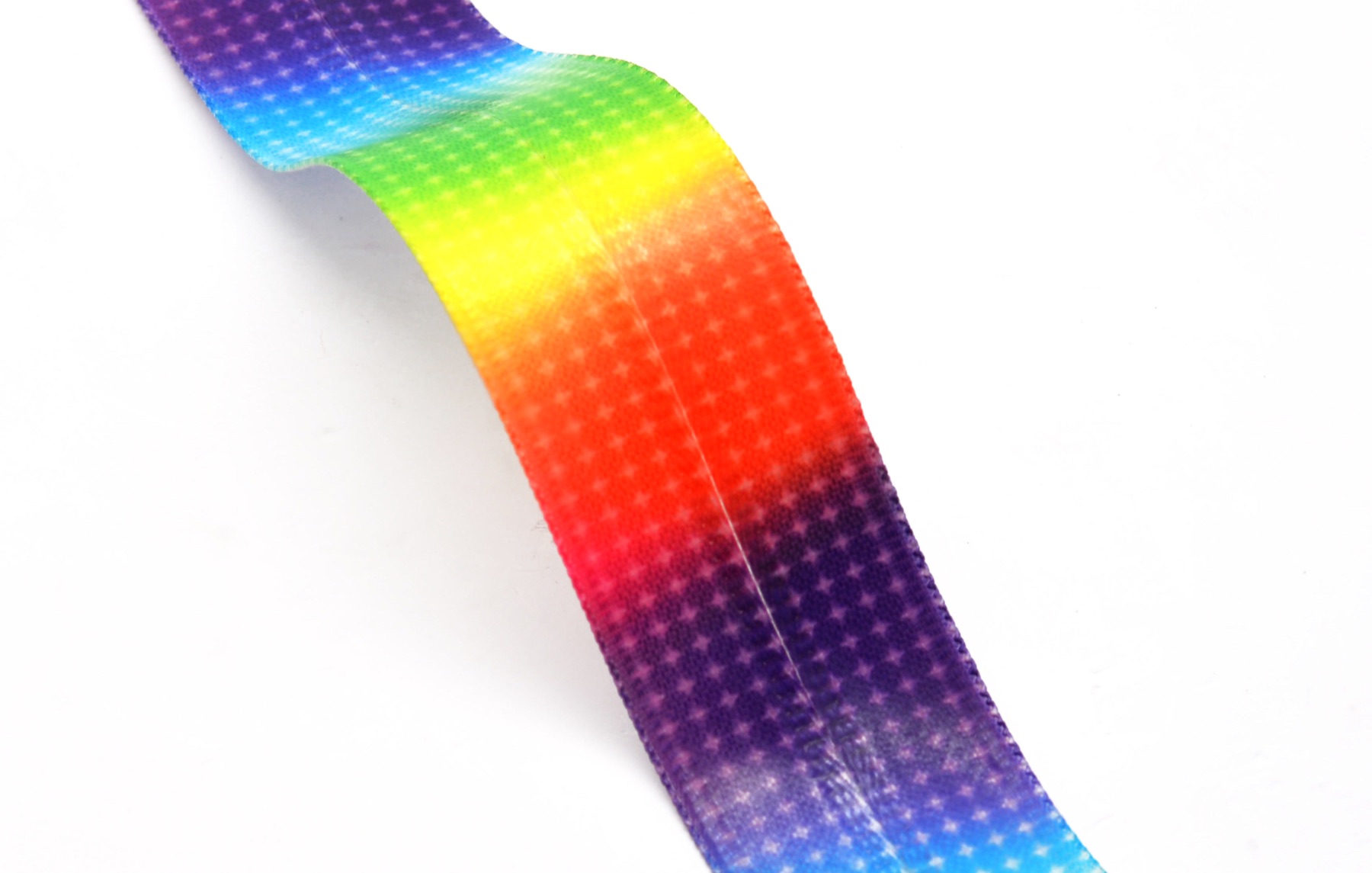
A size 7 heat-transfer water-resistant zipper presents continuous or gradient artwork on the tape while retaining the surface appearance associated with water-resistant zipper designs. It is useful when a front placket or pocket is intended to become a visual feature. Heat transfer addresses graphic presentation; the water-resistant description concerns surface construction and intended use. Neither term replaces performance acceptance. Color, artwork placement, operating feel, sewing compatibility, and the garment protection goal should each be confirmed rather than judging only a new sample.
Artwork and Basic Construction
Heat transfer can produce gradients, multicolor geometry, or continuous motifs that extend along the tape. During sampling, confirm where the artwork begins, how it meets the slider and end fittings, and whether the two tape sides must align visually. For gradients, record the principal color areas, transition sequence, and acceptable color variation in the approved-sample standard instead of describing the design merely as colorful.
The underlying zipper includes tape, chain, slider, and end components. Printed or water-resistant surface layers may show different gloss levels between batches, so color review should use consistent lighting and viewing angles. Close the zipper and inspect the artwork near the chain for abnormal stretching. Check the slider path for scratches, color loss, or changes in resistance. A photograph with an intact surface does not establish abrasion resistance, wash durability, or a waterproof rating; those properties require agreed evaluation methods.
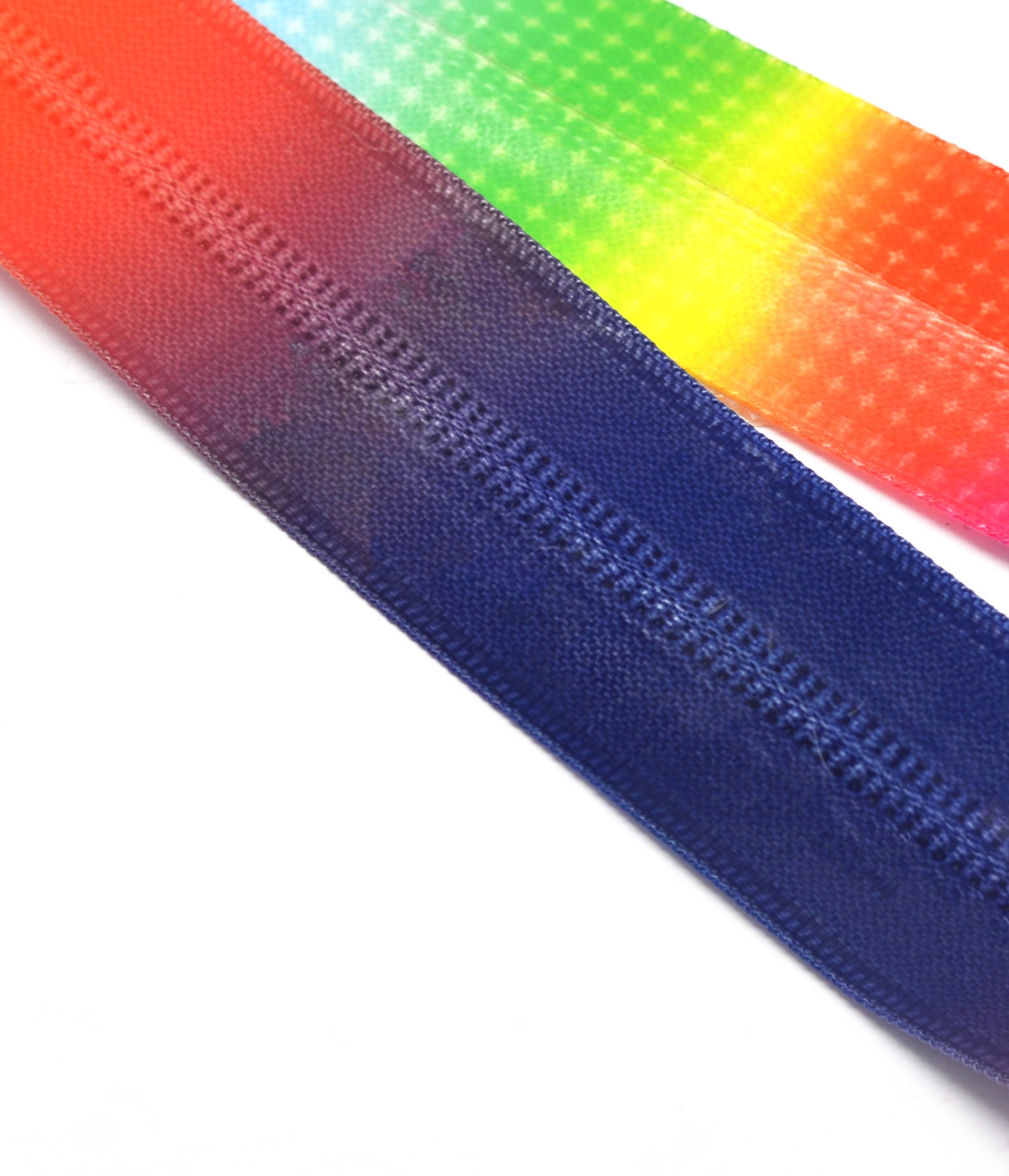
Size 7 and Design Coordination
Size 7 may suit exposed plackets, pockets, and bags where a noticeable trim proportion is wanted. Actual compatibility still depends on measured chain, tape, slider, and end-component dimensions. The pattern should allow a stitching zone and slider clearance, particularly around curved pockets, narrow plackets, and thicker linings that could compress the closure or cause fabric trapping.
Finished length and trimming can change artwork placement. If a particular color must appear at the collar, hem, or pocket mouth, convert that intention into a measurable length reference and confirm the open-end or closed-end construction. On symmetrical designs, review the artwork direction of both zippers. Where exact matching is unnecessary, define acceptable natural variation before production to reduce inspection disputes.
Selection and Sample Approval
- Define the artwork: Confirm the motif, direction, repeat position, and finished length rather than approving only an on-screen rendering.
- Use a consistent color standard: Compare physical samples under the same light source and record principal color zones, gloss, and permitted variation.
- Specify function separately: Describe the heat-transfer appearance independently from size, slider, termination, end fittings, and length.
- Inspect during operation: Open and close the zipper repeatedly and observe it under gentle bending for unusual changes around the slider path.
- Validate care and protection: Assess samples for the intended washing, abrasion, and rain-exposure scenarios instead of inferring garment performance from the water-resistant name.
Sewing and Use Precautions
Keep needle penetrations away from the functional surface and chain, feed both tapes evenly, and do not stretch the tape to force artwork alignment. Temporary marks may help position the design on garment panels, provided the marking method does not damage the finish. Check presser feet, needle plates, and folders for contact marks before production. Keep lining clear of the slider channel and prevent folds at curved openings from creating localized tension.
Test pressing, bonding, and finishing on a sample first to identify sticking, transfer, or discoloration. Use gentle routine cleaning and avoid scraping off dirt with sharp tools. If operation becomes difficult, check for trapped fabric, thread, and surface damage before pulling harder, which could place unnecessary stress on the chain or slider.
Common Questions
Does heat-transfer artwork affect water resistance
Artwork and protection should be evaluated separately. The condition of a new surface is only one factor; operation, bending, sewing, care, garment seams, and end construction also matter.
Can every gradient zipper look exactly the same
Gradient direction can be specified, but color-zone placement and perceived color variation require practical acceptance limits. Physical approval samples, length references, and consistent viewing conditions are more reliable than comparing photographs alone.
Is slider contact with the artwork necessarily normal
A visible abnormal mark should not be dismissed merely as ordinary use. Identify where the mark occurs and whether it coincides with the slider path, then use samples to investigate component fit, surface durability, and operating technique.