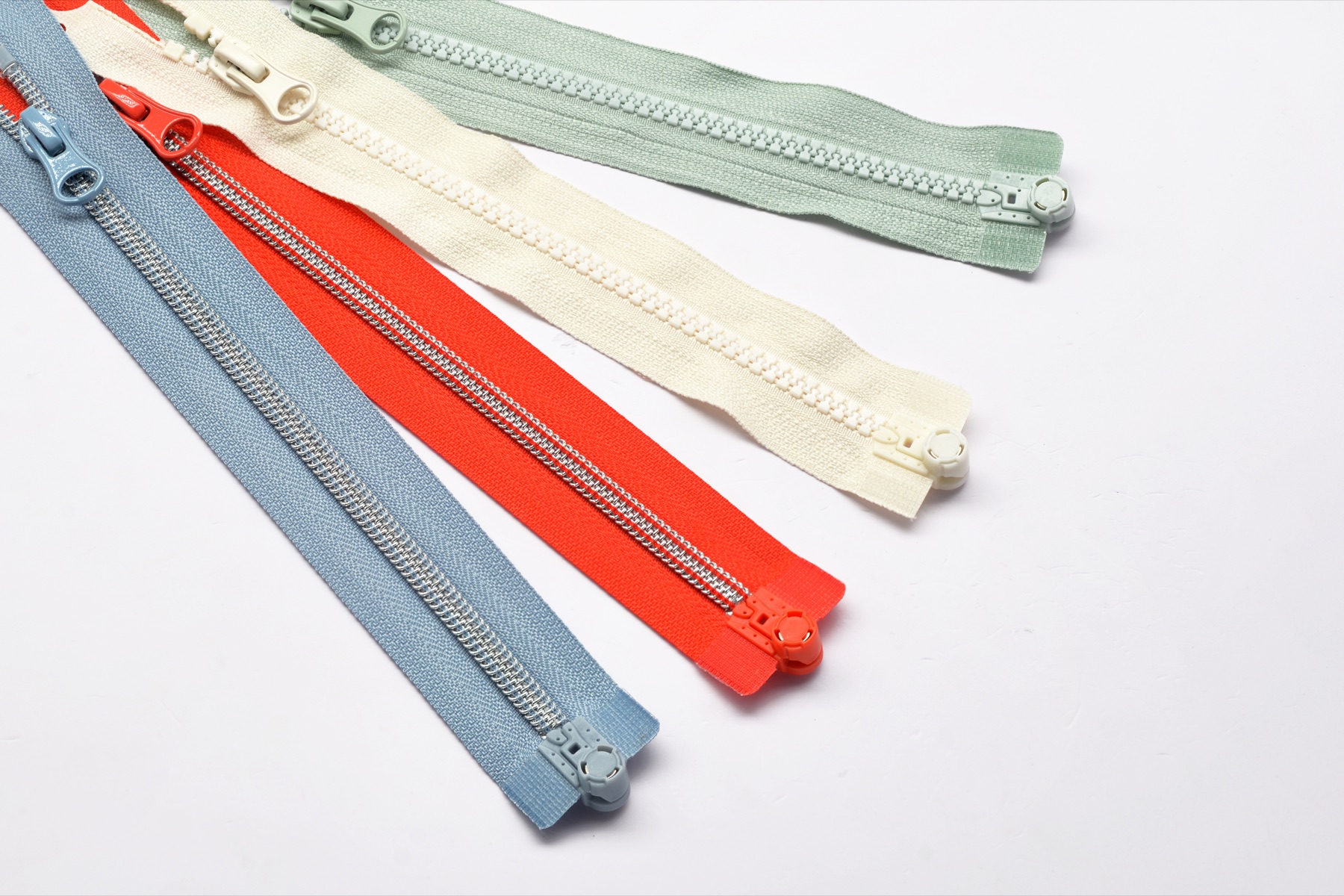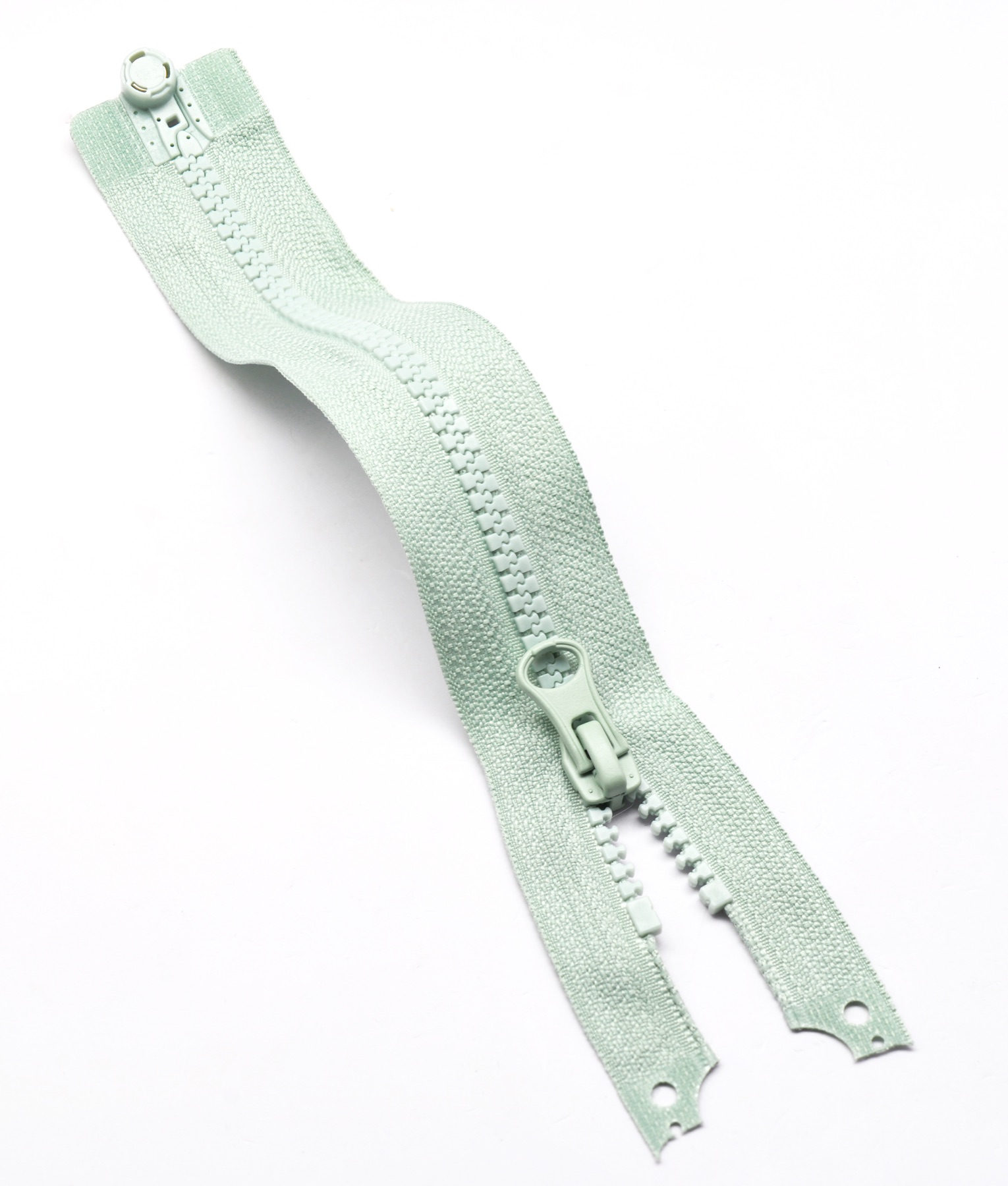
A magnetic zipper incorporates magnetic assistance into its alignment structure, helping the two sides of an opening approach their initial position before the slider completes tooth engagement. Sizes 5 and 7 can be used for outerwear and bags. Magnetic assistance is not automatic closure and cannot guarantee reliable connection in every condition. Alignment, mechanical insertion, slider operation, and the garment environment should be validated as one complete system.
Alignment Structure and Operating Sequence
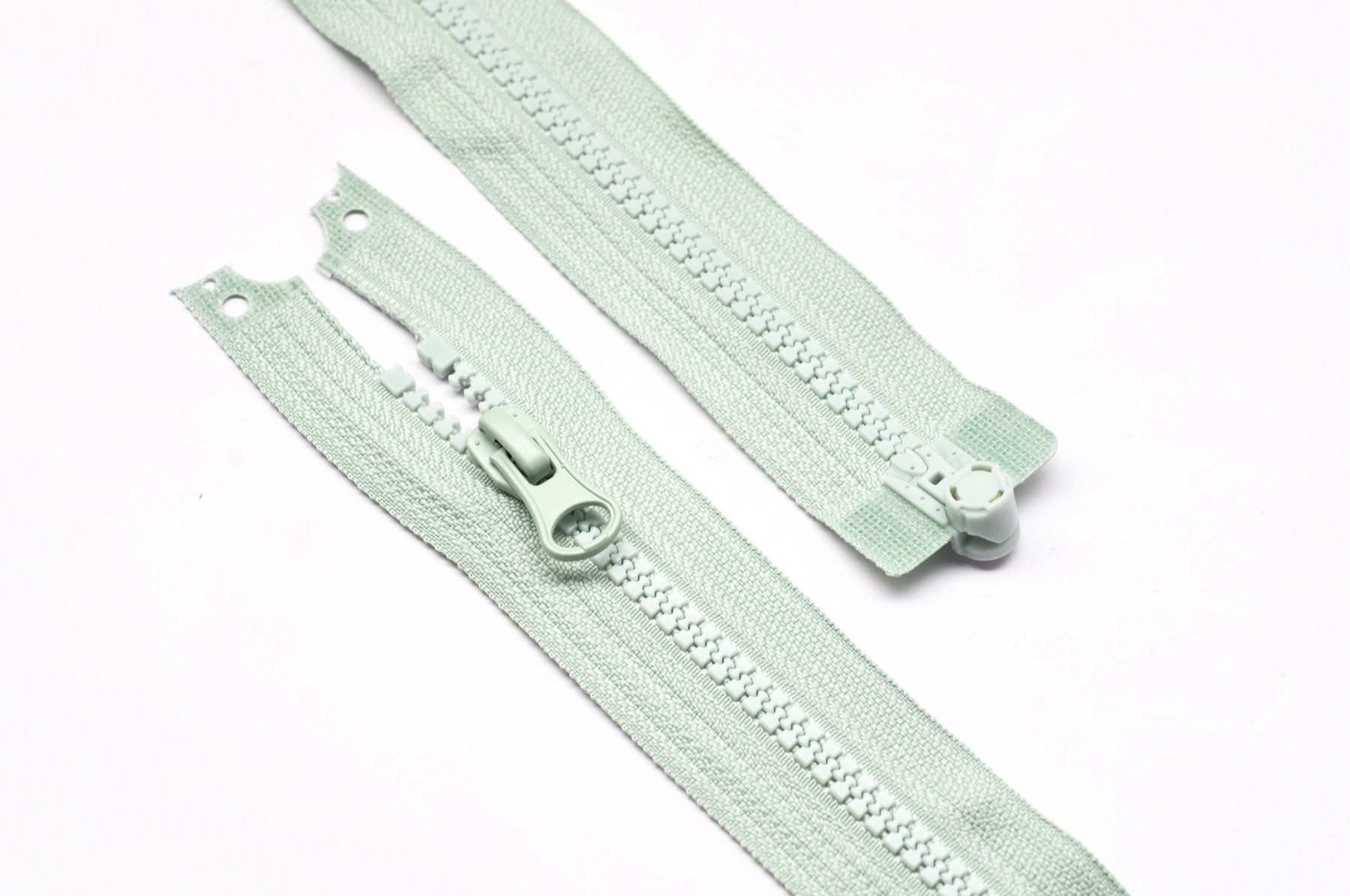
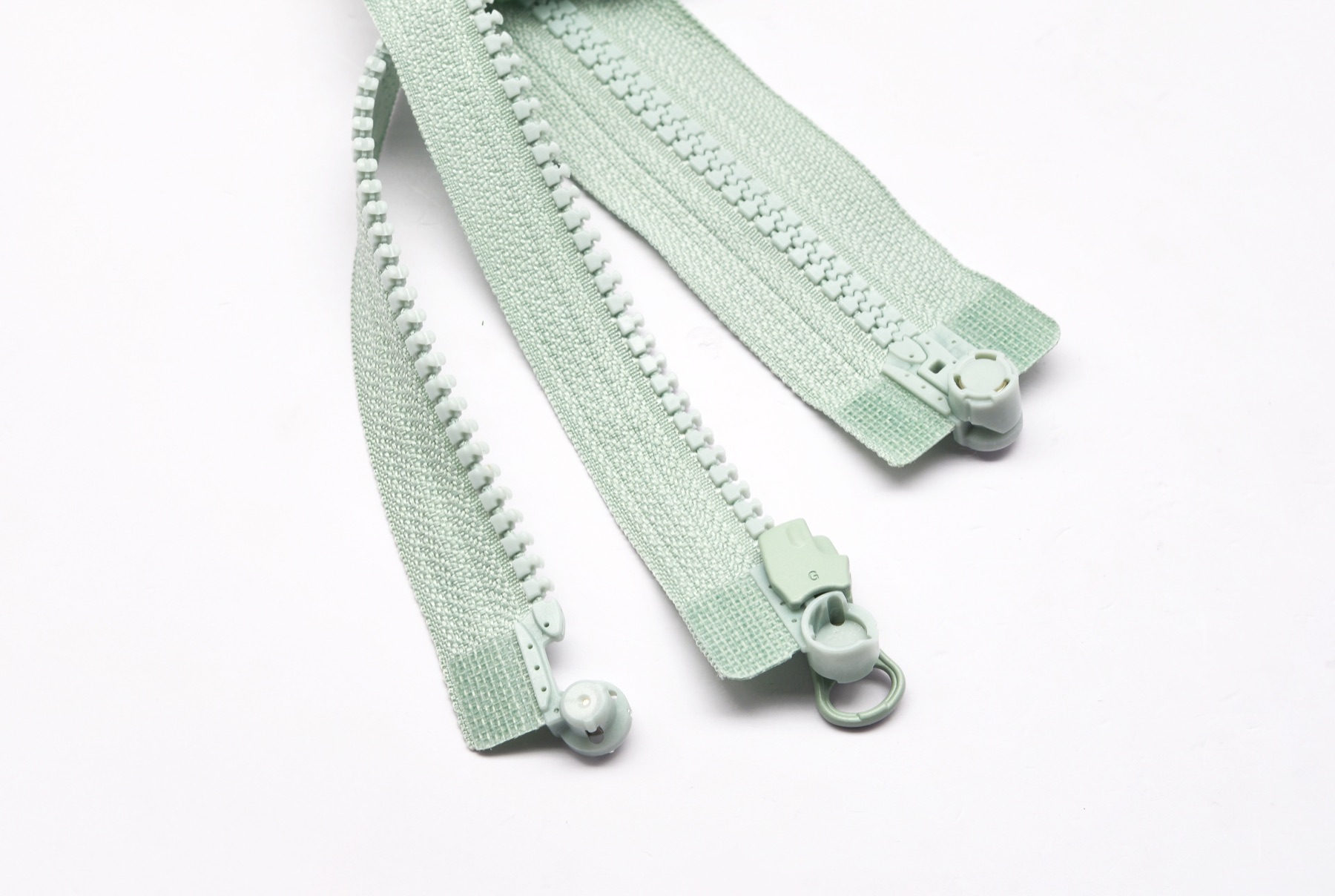
The usual sequence is to bring the two end components together, allow magnetic assistance to support alignment, confirm full insertion, and then move the slider. Component shape, location, and operating direction must be checked on the physical product. A noticeable attraction indicates that parts are approaching each other; it does not replace checks of insertion depth, tooth engagement, and slider travel.
Test the zipper flat, gently curved, and while the article is worn. If the slider is pulled before both sides align, the ends may butt against each other, teeth may engage incorrectly, or resistance may rise. Release the connection and inspect the position instead of using magnetic force or pulling harder to correct it.
Sizes 5 and 7 and Fabric Thickness
Sizes 5 and 7 are starting points. Chain width, tape dimensions, alignment-component profile, and slider clearance all require measurement. Thin fabric may pucker around the alignment area, while thick, padded, or multilayer fabric may increase the gap and change the approach angle, affecting manual alignment and slider passage. Performance on an unattached zipper cannot simply be assumed on a thick jacket.
The pattern should provide a flat support zone and adequate movement space around the end components. Avoid placing stiffener, dense stitching, or decorative hardware directly over the magnetic contact area. If glove use, one-handed operation, or use by children is a design goal, test it in the corresponding posture on the complete garment; the word magnetic does not make the design universally suitable for every user.
Selection and Sample Validation
- Test actual alignment: Have users approach, insert, and close the zipper in the intended worn condition, observe whether fine visual adjustment is still needed, and record unsuccessful attempts.
- Check pinch risks: Examine gaps around the alignment parts, slider, and ends using the actual shell and lining. Keep soft fabric and fingers clear of closing components; if trapping occurs, stop and release it rather than pulling.
- Cover fabric thickness: Make samples with the intended shell, padding, stabilizer, and lining, and check alignment angle and movement space wherever layer counts change.
- Verify mechanical engagement: After magnetic alignment, confirm full insertion, correct tooth engagement, and the condition of the opening during wearer movement.
- Simulate care and storage: Recheck component appearance, end attachment, and operation after the planned cleaning, bending, and storage conditions. Separately assess suitability near magnet-sensitive items or equipment.
Sewing and Use Precautions
Identify the full travel and contact zones of the alignment components and slider before sewing, and keep stitches outside these functional areas. Feed both tapes evenly and maintain corresponding end heights instead of stretching garment fabric to compensate for a position error. On thick materials, make a layered opening sample first to check whether the seam creates an excessive step. Secure lining edges where they cannot interfere with alignment or enter the slider.
Keep the end components clean and remove threads, grit, or trapped fabric before operation. If closing becomes difficult, separate and realign the parts instead of pulling repeatedly with force. Confirm cleaning and pressing conditions for the actual components and garment materials rather than applying ordinary zipper assumptions. If an end becomes loose, visibly damaged, or noticeably changes its alignment behavior, stop using that sample and investigate the cause.
Common Questions
Can a magnetic zipper close automatically with one hand in every situation
No universal assurance is appropriate. Magnetism mainly assists initial approach; insertion and slider operation are still required. Fabric, posture, opening length, and user actions affect the outcome, so the intended scenario must be tested.
Does attraction without immediate slider movement mean the zipper has failed
Not necessarily. Check whether both sides are fully inserted and whether trapped fabric or an angular mismatch is present. Attraction sound or feel alone cannot establish mechanical engagement, so repeat the correct sequence and inspect the connection.
Why can a loose sample work well but become difficult on a thick jacket
The garment adds layers, padding, seam stiffness, and lining restrictions that can change alignment angle and spacing. Samples must therefore use the actual thickness and construction, followed by checks in the worn condition.